
Oregano Leaves: Benefits, Uses, and How to Make Oregano Tea Step by Step
Introduction
Oregano is a popular aromatic herb known for its distinctive flavor and pleasant fragrance. It is commonly used in cooking, especially in Italian, Mediterranean, and other traditional cuisines. Beyond its culinary uses, oregano has a long history of use in traditional herbal practices.
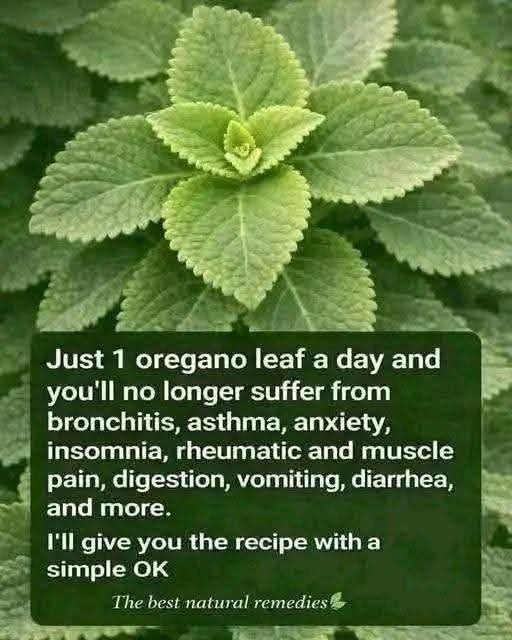
The leaves of the oregano plant contain natural compounds, including carvacrol and thymol, that have been studied for their antioxidant and antimicrobial properties. Oregano can be enjoyed fresh, dried, or brewed into herbal tea. However, claims that eating just one oregano leaf every day can cure bronchitis, asthma, anxiety, insomnia, or digestive diseases are not supported by strong clinical evidence.
In this article, you will learn how to identify oregano, how to prepare oregano tea step by step, its potential benefits, and important precautions to consider before using it as a home remedy.
What Is Oregano?
Oregano is a fragrant herb that belongs to the mint family. Its botanical name is commonly given as Origanum vulgare. The plant has small, oval-shaped leaves, slightly textured surfaces, and a strong herbal aroma.
Oregano grows well in sunny locations with well-drained soil. Its leaves are used fresh or dried to flavor soups, sauces, vegetables, meats, and many other dishes.
Some plants with similar-looking leaves are called Mexican oregano or Cuban oregano, but they are different plants. The thick, fuzzy leaves shown in some herbal photographs may resemble Cuban oregano, also known as Indian borage, rather than common oregano. Therefore, it is important to identify the plant correctly before eating it or preparing a herbal remedy.
Potential Benefits of Oregano Leaves
1. Contains Antioxidant Compounds
Oregano contains several naturally occurring plant compounds, including phenolic compounds and flavonoids. These substances can act as antioxidants in laboratory studies.
Antioxidants help protect cells from damage caused by unstable molecules known as free radicals. Eating a varied diet containing vegetables, fruits, herbs, and other plant foods can support overall health.
However, laboratory findings do not automatically mean that eating one oregano leaf each day will prevent or treat a particular disease.
2. May Support a Healthy Diet
Fresh oregano can add flavor to meals without requiring large amounts of salt. It can be included in salads, soups, roasted vegetables, and homemade sauces.
Using herbs to improve flavor may help people prepare enjoyable meals while reducing their dependence on heavily salted seasonings.
3. Traditionally Used for Digestive Comfort
Oregano has traditionally been used in herbal preparations for digestive discomfort, including bloating and indigestion.
Nevertheless, there is insufficient high-quality human evidence to establish oregano leaves or oregano tea as an effective treatment for vomiting, diarrhea, or digestive disorders.
Persistent digestive symptoms should not be ignored. Vomiting and diarrhea can cause dehydration, particularly in children and older adults.
4. Studied for Antimicrobial Properties
Certain oregano compounds, especially carvacrol and thymol, have demonstrated antimicrobial activity in laboratory experiments.
Researchers continue to investigate these compounds, but laboratory results do not establish that eating oregano leaves can treat infections in the human body.
Oregano should not replace prescribed antibiotics or medical treatment for bacterial, viral, or fungal infections.
5. May Be Enjoyable as a Relaxing Herbal Drink
A warm cup of herbal tea can be part of a calming evening routine. Some people enjoy the aroma and warmth of oregano tea before bedtime.
However, there is not enough reliable clinical evidence to conclude that oregano tea treats anxiety or insomnia. If sleep problems continue, maintaining a regular sleep schedule and discussing persistent symptoms with a healthcare professional may be more helpful.
How to Make Oregano Tea Step by Step
Oregano tea is a simple herbal drink that can be prepared with fresh or dried culinary oregano.
Ingredients
Fresh oregano leaves: 4 to 6 small leaves, or about 1 teaspoon of dried oregano.
Water: 1 cup, approximately 240 milliliters.
Honey: 1 teaspoon, optional.
Lemon juice: A small squeeze, optional.
Use correctly identified, food-grade oregano rather than an unidentified plant collected outdoors.
Step 1: Wash the Leaves
Rinse the fresh oregano leaves under clean running water to remove dust and dirt. Gently pat them dry with a clean towel.
If using dried oregano, choose a food-grade product intended for culinary use.
Step 2: Boil the Water
Pour one cup of water into a small saucepan or kettle. Heat the water until it reaches a boil.
Turn off the heat before adding the fresh leaves.
Step 3: Add the Oregano
Place the washed oregano leaves in a heat-safe cup. Pour the hot water over them.
You can gently crush the leaves between clean fingers to release more of their natural aroma before adding the water.
Step 4: Cover and Steep
Cover the cup and allow the leaves to steep for approximately 5 to 10 minutes.
Steeping allows the water to absorb some of the herb’s flavor and aroma. Longer steeping may produce a stronger taste, so adjust the time according to your preference.
Step 5: Strain the Tea
Use a small strainer to remove the leaves. Let the tea cool to a comfortable drinking temperature.
Step 6: Add Optional Flavor
If desired, add a little honey or lemon juice. These ingredients are optional and are not necessary to prepare the tea.
Honey should never be given to children younger than 12 months.
Step 7: Enjoy Responsibly
Drink the tea as an occasional herbal beverage if it agrees with you. There is no scientifically established daily amount of oregano tea that treats bronchitis, asthma, anxiety, insomnia, or other medical conditions.
Stop drinking it if you experience an allergic reaction, stomach irritation, or other unwanted symptoms.
Can You Eat One Oregano Leaf Every Day?
Small amounts of correctly identified culinary oregano are commonly consumed as part of ordinary meals. However, there is no strong scientific evidence that eating exactly one leaf every day provides special health benefits or prevents disease.
The nutritional and chemical content of a leaf can vary depending on the plant variety, growing conditions, and freshness.
If you enjoy oregano, adding a small amount to your meals is a practical way to use this flavorful herb. You do not need to eat it every day to maintain a healthy diet.
Avoid swallowing oregano essential oil or using concentrated herbal extracts as substitutes for food. These preparations are much more concentrated than ordinary culinary leaves and may cause harmful effects if used incorrectly.
Oregano and Respiratory Health
Oregano is sometimes promoted online as a natural treatment for bronchitis, asthma, coughing, and breathing difficulties. These claims require caution.
Bronchitis may be caused by infections or other irritants, while asthma is a chronic condition involving inflammation and narrowing of the airways. Neither condition should be treated with oregano leaves alone.
If you have asthma, continue following your prescribed treatment plan. Do not stop using an inhaler or other prescribed medication because of a herbal remedy.
Seek urgent medical assistance if you experience severe shortness of breath, difficulty speaking because of breathing problems, blue or gray lips, or rapidly worsening symptoms.
Important Precautions
Although oregano is widely used as a culinary herb, herbal preparations are not suitable for everyone.
People with allergies to oregano or related plants should avoid it if it causes symptoms.
If you are pregnant, breastfeeding, taking regular medication, or managing a chronic medical condition, ask a qualified healthcare professional before using concentrated oregano supplements or medicinal amounts of herbal preparations.
Do not use oregano tea to delay medical care for persistent fever, severe abdominal pain, ongoing vomiting, bloody diarrhea, or breathing difficulties.
Essential oils should never be swallowed unless a qualified healthcare professional has specifically advised an appropriate, safe product and use. Essential oils can be irritating or toxic when used incorrectly.
How to Grow Oregano at Home
Oregano can be grown in a garden or a container.
Choose a pot with drainage holes and fill it with well-draining potting soil. Place the plant in a sunny location where it receives several hours of sunlight each day.
Water the plant when the upper layer of soil begins to dry. Avoid keeping the roots constantly wet because excessive moisture can damage them.
Trim healthy leaves as needed for cooking. Regular light pruning can encourage a bushier plant.
Always confirm the plant’s identity before consuming leaves, especially when growing unfamiliar herbs or receiving cuttings from another person.
Conclusion
Oregano is a versatile culinary herb with a long history of traditional use. It contains interesting plant compounds that researchers continue to study, and it can be used fresh, dried, or prepared as a mild herbal tea.
Making oregano tea is easy: wash the leaves, add hot water, steep for 5 to 10 minutes, strain, and serve.
Although oregano may be a useful addition to a balanced diet, the claim that one leaf a day can cure bronchitis, asthma, anxiety, insomnia, muscle pain, or digestive diseases is not scientifically established. Use oregano primarily as a food or occasional herbal beverage, and seek appropriate medical care for persistent or serious symptoms.
Disclaimer: This article is for educational purposes only and is not a substitute for professional medical advice, diagnosis, or treatment. Consult a qualified healthcare professional about symptoms, medications, or herbal supplements.

