
Table of Contents
ToggleHomemade Creamy Lemon Liqueur: A Step-by-Step Recipe for a Smooth, Golden Drink
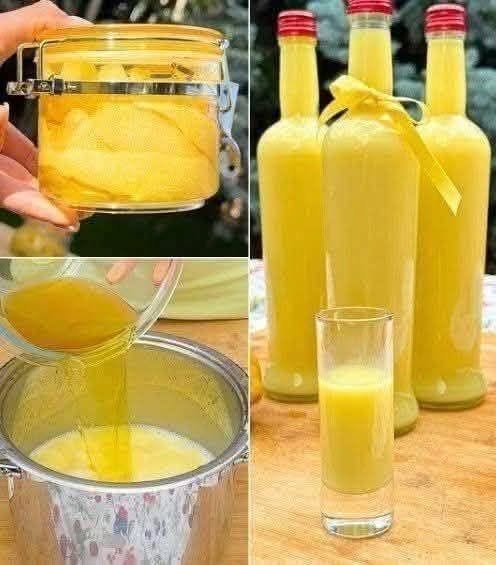
The picture shows a homemade yellow citrus drink that appears creamy, smooth, and rich in color. It may resemble Italian limoncello cream liqueur or a similar lemon-flavored beverage. Because the exact ingredients cannot be confirmed from the image alone, this article explains how to prepare a homemade creamy lemon liqueur, including ingredient preparation, infusion, straining, mixing, bottling, storage, and serving.
Important: Traditional limoncello cream liqueur contains alcohol. The recipe below is an alcoholic version intended for adults of legal drinking age. If you want a non-alcoholic lemon drink, you can use the alternative method near the end.
1. Understanding the Drink
Creamy lemon liqueur is known for its bright yellow color, fresh citrus aroma, smooth texture, and sweet flavor. It combines the fragrance of lemon peel with a sweetened dairy base. Depending on the recipe, the drink may be thick and creamy or lighter and more refreshing.
The secret to its flavor is using fresh lemon zest rather than relying entirely on lemon juice. The yellow outer layer of the lemon peel contains aromatic oils that provide the characteristic citrus fragrance. The white layer underneath, called the pith, is bitter and should be avoided as much as possible.
A homemade version can be prepared with simple kitchen equipment, fresh lemons, sugar, milk or cream, and a suitable alcohol base. Clean equipment and careful storage are essential because dairy-based beverages spoil more quickly than ordinary sugar syrups.
2. Ingredients Required
This recipe makes approximately 1.5–2 liters, depending on the amount of liquid lost during preparation.
Choose fragrant lemons with clean, firm skins. If possible, use unwaxed lemons suitable for zesting.
Use commercially produced vodka intended for beverages, not industrial alcohol or homemade distilled spirits.
Milk and cream — 1 liter total
Use 700 ml whole milk and 300 ml fresh cream for a rich, smooth texture.
Sugar — 250–350 g
Adjust the sweetness according to your preference.
A small amount of vanilla extract or half a vanilla bean adds a pleasant dessert-like aroma.
You will also need a vegetable peeler, a clean glass jar with a lid, a saucepan, a fine-mesh strainer, a whisk, a funnel, and clean glass bottles with secure caps.
3. Step-by-Step Preparation
Step 1: Wash the lemons thoroughly
Wash the lemons under running drinking-quality water. Rub the surfaces gently to remove dirt and residue, then dry them with a clean towel.
The quality of the lemon peel is important because it provides most of the citrus aroma. Avoid using fruit with mold, damaged skin, or unpleasant odors.
Step 2: Remove the yellow lemon peel
Use a vegetable peeler to remove thin strips of the outer yellow skin. Try not to remove the white layer beneath it.
The yellow peel contains fragrant oils that give the finished drink its distinctive lemon flavor. Too much white pith can make the drink bitter.
Keep the peeled lemons aside. Their juice can be used for lemonade, desserts, or another recipe.
Step 3: Prepare the lemon infusion
Place the yellow lemon peels inside a clean glass jar. Pour the vodka over them until the peels are submerged, then close the lid securely.
Store the jar in a cool, dark place for approximately four to seven days, following a tested recipe appropriate for your chosen ingredients. Gently swirl the jar once daily.
The liquid gradually absorbs the aroma and color of the lemon peel. Avoid adding milk or cream during this stage.
Step 4: Strain the infused liquid
After the infusion period, pour the mixture through a fine-mesh strainer into a clean container. For a smoother result, strain it again through a clean coffee filter.
Discard the used peels. The remaining liquid should have a fresh citrus aroma.
Do not squeeze the peels excessively, because doing so can release bitter compounds and small particles into the infusion.
Step 5: Prepare the sweetened milk mixture
Pour the milk and cream into a clean saucepan. Add the sugar and stir gently with a whisk.
Heat over low to medium-low heat, stirring until the sugar dissolves completely. Do not allow the mixture to boil vigorously, scorch, or stick to the bottom of the pan.
If you are using vanilla, add it according to the recipe. Remove the saucepan from the heat when the mixture is hot and smooth.
Step 6: Cool the dairy mixture completely
Allow the milk mixture to cool before combining it with the lemon infusion. For safer cooling, transfer it into a clean, shallow container and refrigerate promptly rather than leaving it at room temperature for an extended period.
Keep the container covered and prevent contact with unclean utensils.
This step helps maintain a smooth texture and reduces the risk of the dairy separating when the two mixtures are combined.
Step 7: Combine the ingredients
Slowly pour the strained lemon infusion into the completely cooled milk mixture while stirring gently with a whisk.
Continue mixing until the liquid looks evenly colored and has a consistent texture. Do not add fresh lemon juice at this stage, because its acidity can cause the milk proteins to curdle.
If the mixture develops lumps, an unusual odor, or signs of spoilage, do not attempt to make it safe by blending or straining it.
Step 8: Check the consistency
Observe the drink after mixing. It should be smooth, pale yellow to golden yellow, and easy to pour.
If you prefer a lighter consistency, use a tested recipe with a higher proportion of milk. For a richer result, a suitable recipe may use more cream.
Avoid adding large amounts of extra milk or water without a tested formulation. Changing the proportions affects the final alcohol concentration, texture, and storage characteristics.
Step 9: Bottle the finished drink
Wash the bottles, caps, funnel, and other equipment thoroughly. Use clean, food-safe bottles and allow them to dry appropriately.
Place a funnel in the bottle opening and pour in the finished mixture. Leave a little space at the top, then close the cap securely.
Wipe the bottle exterior clean and label each bottle with the preparation date, ingredients, and storage instructions.
Step 10: Chill before serving
Place the bottles in the refrigerator immediately. Allow the drink to become thoroughly chilled before serving.
A creamy lemon liqueur is generally best served cold in small glasses. Shake the bottle gently if slight separation occurs and the product otherwise appears normal.
Traditional recipes also vary in their resting periods. Follow the resting and storage instructions of the specific recipe you use rather than assuming every homemade batch is safe after the same number of days.
4. Important Storage and Food-Safety Guidelines
Cream-based drinks require particular care. The presence of alcohol does not automatically make a homemade dairy beverage safe at room temperature.
-
Keep the drink refrigerated at 4°C or below.
-
Do not store it in a cupboard or pantry.
-
Follow a tested recipe’s storage period; do not assume it will last for months.
-
Discard the drink if it develops mold, an unusual smell, unexpected curdling, or other signs of spoilage.
-
Never taste a questionable batch to decide whether it is safe.
-
Do not rely on freezing, alcohol content, or a tightly sealed bottle as proof of safety.
Recipes for creamy limoncello recommend refrigeration and vary in their stated shelf lives. Because the alcohol concentration and preparation methods differ, the storage period for a particular homemade batch cannot be established from its appearance alone.
5. Common Problems and Their Solutions
Why is the drink bitter? The most likely cause is too much white pith in the lemon peel. Remove only the yellow outer layer next time.
Why has the mixture curdled? Temperature differences, acidity, and ingredient proportions can affect dairy stability. Cool the dairy mixture completely and avoid adding lemon juice directly.
Why is the drink too thick? The cream content may be too high, or the mixture may have thickened during chilling. Use a tested recipe with balanced proportions rather than diluting it without guidance.
Why is the color pale? Lemon variety, peel thickness, and infusion time all influence the final color. Natural color variation is normal.
Why does the mixture separate? Dairy and alcohol mixtures are not always perfectly stable. Gentle shaking may restore the appearance temporarily, but discard the product if separation is accompanied by signs of spoilage.
6. Non-Alcoholic Alternative
If you want a similar yellow drink without alcohol, prepare a creamy lemon beverage using 500 ml pasteurized milk, 250 ml cream, 100–150 g sugar, a little vanilla, and finely grated lemon zest.
Warm the milk, cream, and sugar gently until the sugar dissolves. Cool the mixture, refrigerate it, and add a small amount of lemon zest for fragrance. Avoid adding lemon juice directly to the dairy because it can curdle.
For a brighter, refreshing flavor, prepare a separate lemon syrup with sugar and water, cool it completely, and serve a small amount alongside the chilled creamy drink. Keep both mixtures refrigerated and consume the dairy-based beverage promptly.
Conclusion
The yellow bottled beverage in the picture resembles a creamy lemon liqueur, although its exact ingredients cannot be identified from the photograph alone. The main principles behind making a similar drink are selecting fresh lemons, removing the bitter white pith, infusing the peel, preparing a smooth sweetened dairy base, cooling it properly, combining the ingredients carefully, and storing the finished beverage under refrigeration.
With careful preparation and suitable food-safety practices, you can create a fragrant, golden-yellow drink with a smooth texture and balanced citrus flavor.

