
Table of Contents
ToggleHomemade Hibiscus Juice Recipe: Step-by-Step Guide to Making Refreshing Purple Hibiscus Drink
Hibiscus juice is a refreshing, colorful drink made from dried hibiscus flowers, water, and natural flavorings. It has a beautiful deep-red or purple color, a tangy fruity taste, and a refreshing aroma. This homemade hibiscus drink can be enjoyed cold on warm days, served at family gatherings, or stored in the refrigerator for a quick and delicious beverage.
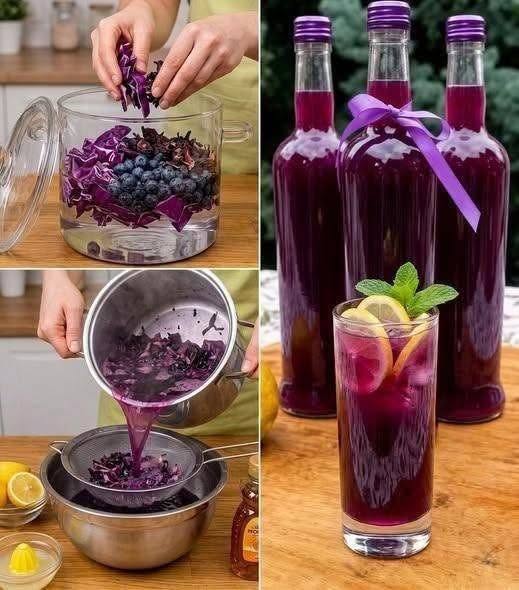
The drink shown in the picture appears to be a homemade hibiscus concentrate or syrup served with lemon and mint. You can prepare a similar version at home using simple ingredients. Depending on your taste, you can make it sweet, lightly tangy, or completely unsweetened.
Ingredients for Homemade Hibiscus Juice
Before starting, gather all the ingredients you need.
-
1 cup dried hibiscus flowers
-
6 cups water
-
1/2 cup sugar or honey, adjusted to taste
-
1 lemon, sliced or juiced
-
1 small cinnamon stick, optional
-
3–4 cloves, optional
-
1 teaspoon fresh ginger, sliced, optional
-
Fresh mint leaves for serving
-
Ice cubes for serving
-
Additional lemon slices for garnish
Dried hibiscus flowers are the main ingredient. They release a deep red color when steeped in hot water and create a naturally tart flavor. You can find food-grade dried hibiscus flowers at herbal shops, spice stores, and some grocery stores.
Step 1: Prepare the Hibiscus Flowers
Begin by measuring one cup of dried hibiscus flowers. Check them carefully and remove any unwanted stems or debris. If necessary, rinse them briefly in a fine-mesh strainer under clean running water.
Avoid soaking the flowers for too long before cooking because this may remove some of their color and flavor. Once rinsed, set them aside while you prepare the water.
Using clean, food-grade hibiscus flowers helps ensure that your homemade drink has a pleasant taste and is suitable for consumption.
Step 2: Boil the Water
Pour six cups of water into a medium-sized stainless-steel saucepan. Place the saucepan over medium-high heat and bring the water to a boil.
If you want to add extra flavor, include a cinnamon stick, a few cloves, or sliced fresh ginger. These ingredients provide a warm, aromatic taste that complements the tartness of hibiscus.
For a simple, fruity drink, you can skip the spices and use only hibiscus flowers and water.
Step 3: Add the Hibiscus Flowers
Once the water begins boiling, carefully add the prepared hibiscus flowers to the saucepan. Stir gently with a clean spoon to make sure the flowers are submerged.
Reduce the heat and allow the mixture to simmer gently for approximately five minutes. The water will gradually turn a rich red or purple color as the flowers release their natural pigments.
Avoid boiling the mixture for too long because prolonged heating can produce a stronger, more bitter flavor. A short simmer followed by steeping usually gives the drink a balanced taste.
Step 4: Let the Mixture Steep
Turn off the heat and cover the saucepan with a lid. Let the hibiscus flowers steep for another 10–15 minutes.
During this time, the water develops a deeper color and a more pronounced fruity, tangy flavor. If you added cinnamon, cloves, or ginger, the steeping process will also allow their aromas to blend with the hibiscus.
For a stronger concentrate, you can steep the mixture a little longer, tasting it occasionally. Remember that a concentrated drink can be diluted with cold water before serving.
Step 5: Strain the Juice
Place a fine-mesh strainer over a large heat-resistant bowl or jug. Slowly pour the hibiscus mixture through the strainer to separate the liquid from the flowers and spices.
Press the flowers gently with the back of a spoon to release the remaining liquid, but avoid forcing small plant particles through the strainer.
Discard the used flowers and spices. The liquid remaining in the bowl should have a beautiful deep-red or purple color.
Allow the strained liquid to cool before adding ingredients that you want to preserve for a fresh, chilled flavor.
Step 6: Add Lemon and Sweetener
Once the liquid has cooled slightly, add fresh lemon juice according to your taste. Lemon enhances the tangy flavor and can make the drink taste brighter and more refreshing.
Next, add sugar or honey if desired. Stir until the sweetener dissolves completely.
Start with a small amount and taste the drink before adding more. Hibiscus is naturally tart, so the ideal sweetness depends on personal preference.
For a lighter option, leave out the sweetener entirely. You can also use a sugar substitute suitable for your dietary needs.
Important tip: Honey should not be added to boiling-hot liquid if you want to preserve its delicate flavor. Allow the drink to cool first.
Step 7: Chill the Hibiscus Juice
Transfer the prepared juice to a clean glass jug or food-safe bottle. Cover it and place it in the refrigerator for at least two hours.
Chilling allows the flavors to blend and gives the beverage a crisp, refreshing taste. If you prefer a stronger flavor, prepare a concentrate and dilute it with cold water when serving.
For the best results, use clean bottles with secure lids. Refrigerate the juice promptly after preparation and keep it chilled between servings.
Step 8: Prepare the Drink for Serving
To serve, fill a tall glass with ice cubes. Pour the chilled hibiscus juice over the ice.
Add one or two lemon slices and a few fresh mint leaves. You can gently clap the mint leaves between your palms before adding them to release their aroma.
For a milder drink, mix the hibiscus juice with cold water. For a sparkling version, add a little chilled sparkling water immediately before serving.
If you have prepared a concentrated syrup-like version, dilute it according to your preferred strength.
Step 9: How to Make Hibiscus Concentrate for Bottles
If you want a drink similar to the bottled beverage in the picture, prepare a more concentrated batch.
Use one cup of dried hibiscus flowers with four cups of water instead of six. Simmer briefly, steep, and strain as described above.
Sweeten the concentrate if desired, then allow it to cool completely before transferring it into clean bottles. Refrigerate the bottles promptly.
When ready to drink, pour a small amount into a glass and add cold water, ice, lemon, or sparkling water.
Keep in mind that homemade juice is not shelf-stable simply because it is stored in a bottle. Do not leave it at room temperature for extended periods or assume it is safe for long-term storage without a validated preservation process.
Step 10: Storage and Food Safety
Store homemade hibiscus juice in a clean, covered container in the refrigerator. For the best quality, aim to consume it within three to four days, and discard it sooner if its smell, appearance, or texture changes.
Do not drink juice that has developed mold, an unusual odor, unexpected fizzing, or other signs of spoilage.
For longer storage, freeze the cooled drink in suitable freezer-safe containers, leaving space for expansion. Thaw it in the refrigerator and use it promptly.
Avoid pouring freshly boiled liquid into ordinary glass bottles that may crack from sudden temperature changes.
Health Benefits of Hibiscus Juice
Hibiscus contains plant compounds called anthocyanins, which contribute to its deep color, along with other antioxidant compounds. Unsweetened hibiscus tea can be a flavorful alternative to sugary beverages.
Some research suggests that hibiscus preparations may help lower blood pressure in certain people. However, the effects vary, and hibiscus juice should not replace prescribed medication or medical care.
The amount of added sugar also matters. A heavily sweetened drink can contain substantial amounts of added sugar, so consider using less sweetener if you are trying to reduce your sugar intake.
People with low blood pressure, those taking blood-pressure medicines, and people who are pregnant or breastfeeding should consult a healthcare professional before regularly consuming concentrated hibiscus preparations. Hibiscus may not be appropriate for everyone.
Tips for the Best Homemade Hibiscus Juice
-
Use food-grade dried hibiscus flowers for the best flavor.
-
Avoid excessive boiling to reduce bitterness.
-
Adjust lemon juice and sweetener gradually.
-
Chill the drink thoroughly before serving.
-
Add mint and lemon slices just before serving for a fresh appearance.
-
Dilute concentrated juice with cold water if the flavor is too strong.
-
Keep the drink refrigerated and use clean bottles.
Frequently Asked Questions
1. Can I drink hibiscus juice every day?
Many healthy adults can enjoy moderate amounts, but suitability depends on health conditions, medications, concentration, and added sugar. Ask a healthcare professional if you have concerns.
2. Can I make hibiscus juice without sugar?
Yes. Hibiscus has a naturally tangy flavor, so you can enjoy it unsweetened or add lemon and mint for extra freshness.
3. Can I use fresh hibiscus flowers?
Some edible hibiscus varieties can be used, but not every ornamental variety is suitable for consumption. Use only correctly identified, food-safe flowers.
4. How long does homemade hibiscus juice last?
As a general guideline, keep it refrigerated and consume it within three to four days. Homemade juice does not have the same shelf life as commercially processed beverages.
5. Is hibiscus juice the same as hibiscus syrup?
Not necessarily. Hibiscus juice is generally a ready-to-drink beverage, while hibiscus syrup or concentrate is stronger and may contain more sugar. Concentrates are usually diluted before drinking.
Conclusion
Homemade hibiscus juice is a simple, colorful, and refreshing beverage that you can prepare with dried hibiscus flowers, water, lemon, and optional sweetener. By simmering the flowers briefly, allowing them to steep, straining the liquid, and chilling it properly, you can create a delicious drink for everyday enjoyment.
Serve it over ice with fresh mint and lemon for a beautiful presentation, or prepare a concentrated version to dilute whenever you want a refreshing glass. Adjust the sweetness to your taste, store it safely in the refrigerator, and enjoy this tangy homemade beverage in moderation.

