
Which Vitamin Helps With Leg and Bone Pain? A Step-by-Step Guide to Vitamins, Nutrition, and Bone Health
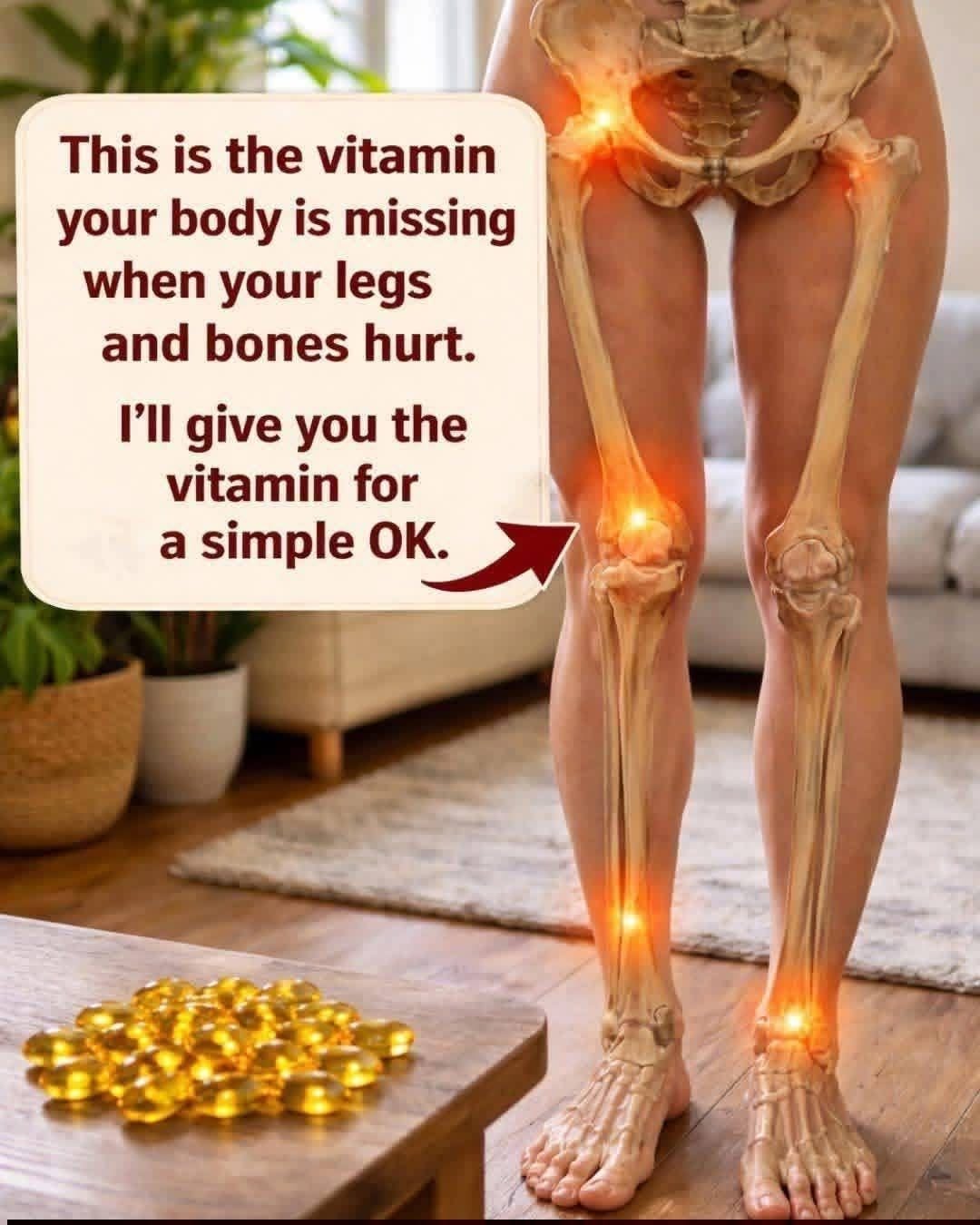
Leg pain, aching bones, and discomfort around the knees can make everyday activities more difficult. Many people wonder whether a vitamin deficiency could be responsible. The image highlights vitamin supplements and painful joints, but it is important to understand that leg and bone pain do not always mean your body is missing a particular vitamin.
Vitamin D is especially important for bone health because it helps the body absorb calcium. A deficiency can contribute to bone discomfort, muscle weakness, and, in severe cases, soft or weakened bones. However, joint pain, knee pain, and leg aches can also result from arthritis, muscle strain, nerve problems, injuries, or other medical conditions.
This guide explains which vitamins support healthy bones, which foods provide them, how to recognize possible deficiencies, and what steps you can take to protect your bone and muscle health.
1. Understand the Role of Vitamin D
Vitamin D is one of the most important nutrients for maintaining strong bones. Your body needs it to absorb calcium from food and maintain normal calcium levels.
When vitamin D levels become too low, bones may become weak and painful. Adults with severe, prolonged deficiency can develop a condition called osteomalacia, which causes poor bone mineralization, bone pain, and muscle weakness.
Possible signs of vitamin D deficiency include:
-
Aching bones or widespread discomfort
-
Muscle weakness
-
Difficulty climbing stairs or getting up from a chair
-
Increased risk of bone fractures in severe cases
These symptoms are not specific to vitamin D deficiency. A blood test and medical assessment may be needed to determine whether your vitamin D level is low.
2. Eat Foods Rich in Vitamin D
Food is one way to support your vitamin D intake. Although relatively few foods naturally contain substantial amounts, several options can help.
-
Fatty fish: Salmon, sardines, trout, and mackerel.
-
Egg yolks: Provide small amounts of vitamin D.
-
Fortified milk: Some milk products contain added vitamin D.
-
Fortified plant-based drinks: Check the nutrition label for added vitamin D.
-
Fortified cereals: Some products contain additional vitamin D.
Try to include a variety of nutritious foods in your daily meals. If your diet does not provide enough vitamin D, a healthcare professional can help you determine whether a supplement is appropriate.
3. Get Enough Calcium for Strong Bones
Calcium is another essential nutrient for healthy bones and teeth. Vitamin D helps your body absorb calcium, while calcium provides much of the mineral structure that keeps bones strong. Both nutrients work together, so getting enough of only one may not be sufficient.
Good sources of calcium include:
-
Milk, yogurt, and cheese
-
Calcium-fortified plant-based milk
-
Sardines or canned salmon with edible bones
-
Calcium-set tofu
-
Broccoli, kale, and other suitable green vegetables
-
Sesame seeds and some nuts
Try to include calcium-rich foods in your regular meals. If you are considering a calcium supplement, discuss your needs with a healthcare professional, particularly if you have kidney disease or a history of kidney stones.
4. Other Vitamins and Minerals That Support Bone Health
Vitamin D is important, but it is not the only nutrient involved in maintaining healthy bones and muscles.
Vitamin B12: Helps maintain healthy nerves and red blood cells. A deficiency can cause numbness, tingling, weakness, and problems with balance. It is found in meat, fish, eggs, dairy products, and fortified foods.
Vitamin C: Supports collagen production, which helps provide structure to bones and connective tissues. Sources include oranges, guava, kiwi, tomatoes, peppers, and other fruits and vegetables.
Vitamin K: Plays a role in normal blood clotting and bone metabolism. Sources include spinach, cabbage, broccoli, and other leafy green vegetables.
Magnesium: Supports normal muscle and nerve function and contributes to bone structure. Sources include nuts, seeds, beans, whole grains, and leafy green vegetables.
A balanced diet usually provides a mixture of these nutrients. Taking additional supplements does not necessarily improve pain if you already get enough of the nutrient.
5. Follow These Steps to Support Bone and Muscle Health
A practical daily routine for general bone health
Step 1: Eat balanced meals
Include protein, vegetables, fruits, whole grains, and calcium-rich foods throughout the day. Add vitamin D-containing foods such as eggs or oily fish when available.
Step 2: Get appropriate sunlight exposure
Sunlight helps the skin produce vitamin D. The amount produced varies with the season, time of day, skin pigmentation, clothing, and location. Avoid sunburn and do not rely on prolonged unprotected exposure.
Step 3: Stay physically active
Walking, appropriate strength exercises, and balance activities can help support muscles and bones. Start gently and choose activities that do not worsen your pain.
Step 4: Get adequate rest
Allow time for recovery after exercise and aim for a consistent sleep schedule. Rest can help with general recovery, although persistent bone pain needs assessment rather than rest alone.
Step 5: Seek medical advice if pain persists
If leg pain continues, returns frequently, affects your walking, or interferes with sleep, arrange a medical assessment. A clinician can determine whether tests or treatment are needed.
6. Should You Take Vitamin D Supplements?
Vitamin D supplements can help people who have a deficiency or cannot obtain enough vitamin D through food and other sources. However, the right amount depends on your age, diet, health conditions, medications, and whether a deficiency has been identified.
For general reference, the recommended daily intake for most adults aged 19–70 is 600 IU (15 micrograms), increasing to 800 IU (20 micrograms) after age 70 under US guidance. Individual requirements can differ.
Keep these safety points in mind:
-
Do not assume that bone pain proves you have a vitamin deficiency.
-
Do not take large doses of vitamin D or repeated high-dose capsules without medical guidance.
-
For most adults, 4,000 IU daily is the established upper intake limit for routine use from all sources, unless a healthcare professional recommends a different dose for treatment.
-
Excessive vitamin D can raise blood calcium levels and cause nausea, weakness, kidney stones, and other serious problems.
-
Tell your doctor or pharmacist about supplements and medications you already use.
Consumer+1
A blood test measuring 25-hydroxyvitamin D may be appropriate when a clinician suspects a deficiency. Depending on your symptoms, they may also consider calcium levels, vitamin B12, or other tests.
7. When Should You See a Doctor About Leg or Bone Pain?
Not every type of leg pain is caused by a nutritional deficiency. Arthritis, injuries, circulation problems, nerve compression, and other conditions may require different treatments.
Arrange a medical appointment if you have persistent bone pain, unexplained muscle weakness, repeated cramps, numbness, tingling, or difficulty walking.
Seek urgent medical attention if one leg becomes suddenly swollen, red, hot, or painful. If leg symptoms occur with chest pain or difficulty breathing, seek emergency medical help immediately.
Do not delay an assessment simply to try vitamins first. Finding the underlying cause is the best way to choose appropriate treatment.
Conclusion
Vitamin D is essential for calcium absorption, strong bones, and normal muscle function. A deficiency can contribute to bone pain and muscle weakness, but it is not the only possible explanation for aching legs or painful knees.
The best approach is to eat a balanced diet, include calcium-rich foods, maintain appropriate physical activity, and seek medical advice when symptoms persist. Vitamin D, calcium, vitamin B12, and other nutrients all have important roles, but supplements should be chosen according to your individual needs.
Remember: There is no single vitamin that reliably treats every kind of leg or bone pain. If you suspect a deficiency, a healthcare professional can help identify the cause and recommend safe, effective treatment.
Health information note: This article is for general educational purposes and does not replace professional medical advice.

