
Under-Breast Rash: Step-by-Step Guide to Causes, Relief, and Prevention
A red, irritated rash beneath the breasts can cause discomfort, itching, burning, and painful chafing. The skin in this area often stays warm and moist, especially during hot weather, exercise, or periods of excessive sweating. When moisture becomes trapped between skin folds, friction can irritate the skin and create an environment where yeast or other microorganisms may grow.
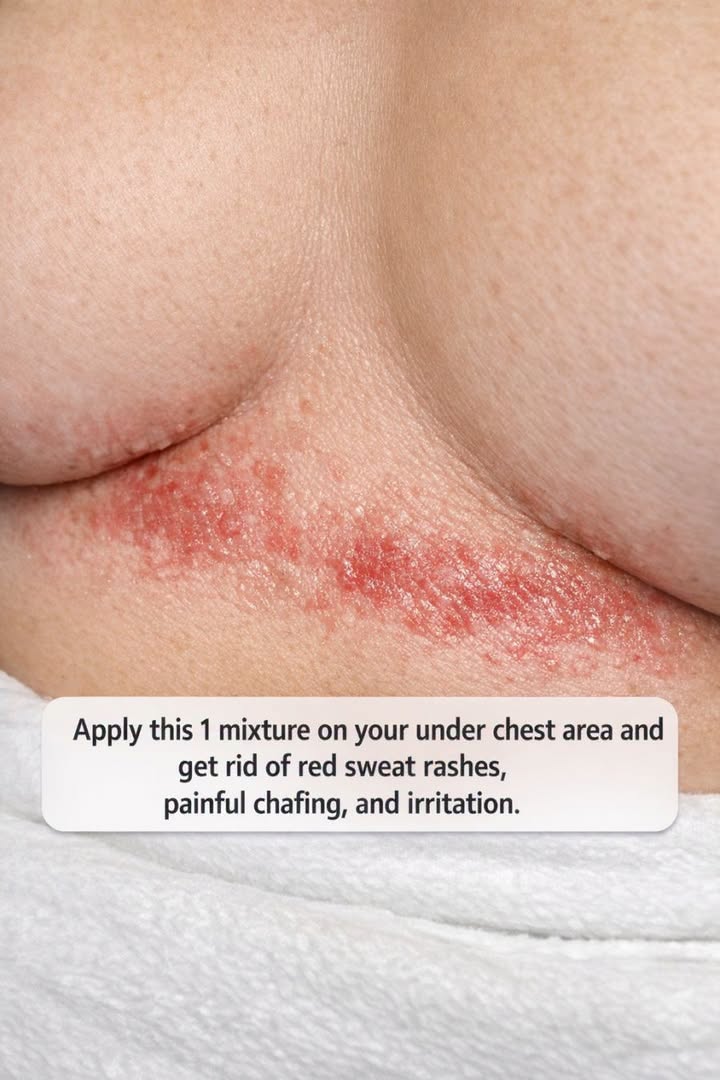
The image shows a reddish rash along the skin fold beneath the breast. This appearance may be consistent with a condition called intertrigo, which is inflammation caused by friction and moisture. Sometimes, a yeast infection called Candida develops in the affected area. However, other conditions can look similar, so a photograph alone cannot confirm the diagnosis.
The good news is that many mild under-breast rashes improve with gentle skin care, keeping the area dry, and using the correct treatment when needed. This step-by-step guide explains possible causes, safe home care, treatment options, and ways to prevent the rash from returning.
1. Understand What Causes an Under-Breast Rash
The skin beneath the breasts forms a natural fold where heat and moisture can become trapped. Several factors can contribute to irritation.
Sweat and moisture: Sweating during hot weather or physical activity can leave the skin damp for long periods.
Friction and chafing: Skin rubbing against skin or a tight bra can damage the skin’s protective surface.
Yeast overgrowth: Warm, moist skin folds can encourage Candida yeast to multiply, causing redness, itching, burning, and sometimes small spots around the main rash.
Contact dermatitis: Perfumes, detergents, soaps, fabric dyes, and certain skin products can trigger irritation or an allergic reaction.
Other skin conditions: Eczema, psoriasis, and bacterial infections can also affect skin folds.
Identifying the likely cause matters because treatments differ. A moisturizer alone may not resolve a fungal infection, while unnecessary antifungal or steroid creams may worsen certain conditions.
2. Recognize the Common Symptoms
An under-breast rash can look and feel different depending on its cause. Common symptoms include:
-
Red or pink patches along the skin fold.
-
Itching or a burning sensation.
-
Tenderness when the skin rubs together.
-
Moist, shiny, or irritated skin.
-
Peeling, scaling, or small cracks.
-
An unpleasant odor when moisture or infection is present.
-
Small surrounding spots or pustules in some yeast infections.
Mild irritation may improve after reducing moisture and friction. A rash that spreads, becomes increasingly painful, develops pus, or fails to improve needs medical assessment.
3. Step One: Gently Clean the Affected Area
Begin by washing the area with lukewarm water and a mild, fragrance-free cleanser. Avoid vigorous scrubbing because inflamed skin is easily damaged.
Rinse away any soap residue, as leftover cleanser can contribute to irritation. Then gently pat the skin dry with a clean, soft towel.
Pay particular attention to the fold beneath the breast, where moisture can remain trapped. If necessary, allow the area to air-dry briefly in a comfortable, private setting.
Avoid applying lemon juice, vinegar, baking soda, perfume, or essential oils to the rash. These substances can irritate sensitive skin and may make the problem worse.
4. Step Two: Keep the Skin Dry
Keeping the area dry is one of the most useful steps for managing moisture-related irritation.
After bathing or sweating, gently dry the skin fold. Change out of damp clothing promptly, and wear breathable garments that help reduce moisture accumulation.
A clean, soft piece of moisture-wicking fabric may help separate skin surfaces, provided it does not rub or trap additional moisture. Change it whenever it becomes damp.
Avoid placing thick layers of fabric beneath the breast for long periods without checking the skin. Anything that stays wet can increase friction and irritation.
If sweating is frequent, consider breathable, properly fitted bras and clothing that allow airflow without digging into the skin.
5. Step Three: Reduce Friction and Chafing
Friction can damage the skin barrier and make a rash more painful. Choose a comfortable bra that supports the breasts without pinching or rubbing the affected area.
Avoid tight clothing, rough seams, and synthetic materials that retain sweat. During exercise, use breathable clothing and change out of sweaty garments afterward.
For uncomplicated friction-related irritation, a thin layer of a fragrance-free barrier product, such as plain petrolatum or zinc oxide, may help protect the skin from rubbing. However, thick or occlusive products may retain moisture in some skin folds, so discontinue them if the rash worsens.
If the area is open, weeping, or appears infected, seek medical advice before applying barrier products.
6. Step Four: Choose the Correct Treatment
There is no single homemade mixture that safely treats every under-breast rash. The appropriate treatment depends on whether the cause is friction, yeast, allergy, or another condition.
For suspected yeast-related rash: A pharmacist or healthcare professional may recommend an antifungal cream, such as clotrimazole, when appropriate. Follow the product instructions and seek medical advice if the rash does not improve or worsens.
For simple irritation: Reducing friction, avoiding irritating products, and keeping the area clean and dry may be sufficient for mild cases.
For contact dermatitis: Stop using any new soap, detergent, fragrance, or skin product that may have triggered the rash. Persistent symptoms may require clinician-directed treatment.
For possible bacterial infection: Increasing pain, warmth, swelling, pus, or spreading redness may require prescription treatment. Antifungal creams will not treat every bacterial infection.
Avoid using steroid creams alone on a rash that might be fungal unless a healthcare professional recommends them. Steroids can mask symptoms and sometimes worsen fungal infections.
7. Step Five: Know When to Seek Medical Care
Many mild skin-fold rashes can be managed with careful skin care, but certain symptoms require professional attention.
Contact a healthcare professional if the rash:
-
Does not begin improving after several days of appropriate care.
-
Keeps returning or spreads beyond the skin fold.
-
Develops cracks, bleeding, discharge, or an unpleasant smell.
-
Becomes increasingly itchy, painful, or swollen.
-
Appears after starting a new medication or skin product.
Seek urgent medical care if you develop rapidly spreading redness, severe pain, fever, pus with worsening inflammation, or red streaks extending from the area. These may indicate a more serious infection.
People with diabetes, reduced immunity, or conditions that affect wound healing should seek advice earlier because skin infections can become more complicated.
8. Step Six: Prevent Future Under-Breast Rashes
Prevention focuses on limiting moisture, friction, and exposure to irritating products.
-
Wash gently and dry the skin folds thoroughly every day.
-
Change damp bras and clothing after sweating.
-
Wear breathable fabrics and well-fitting bras.
-
Use fragrance-free laundry detergent and skin-care products.
-
Avoid scratching, rubbing, or peeling irritated skin.
-
Inspect the area regularly if rashes occur repeatedly.
-
Seek advice about recurring symptoms rather than repeatedly trying different creams.
If the rash returns frequently, a clinician may investigate underlying fungal infection, eczema, diabetes, or other contributing factors.
9. Frequently Asked Questions
Can sweat cause a red rash beneath the breasts?
Yes. Sweat combined with heat and friction can cause intertrigo. However, a persistent rash may also involve yeast, bacteria, or another skin condition.
Is an under-breast rash always a fungal infection?
No. Friction, allergic reactions, eczema, psoriasis, and bacterial infections can produce similar symptoms. The appearance alone is not enough to determine the cause.
Can I use a homemade mixture to cure the rash?
It is safer to avoid unverified mixtures, particularly those containing lemon juice, vinegar, essential oils, or harsh ingredients. Gentle cleaning, careful drying, and appropriate treatment are safer approaches.
How long does it take to improve?
Mild irritation may begin improving within a few days after reducing friction and moisture. Fungal infections may take longer and require an appropriate antifungal treatment. Persistent or worsening symptoms should be evaluated.
Conclusion
An under-breast rash can develop because of trapped sweat, skin friction, yeast overgrowth, or contact irritation. The redness shown in the image may be consistent with intertrigo, but the exact cause cannot be confirmed from appearance alone.
The best first steps are to gently clean the area, dry it thoroughly, reduce friction, wear breathable clothing, and avoid irritating homemade mixtures. If an infection is suspected, choose treatment with guidance from a qualified healthcare professional rather than assuming one cream or mixture will work for every rash.
With the right care and prevention habits, many mild skin-fold rashes can improve. Persistent, spreading, or painful symptoms deserve medical attention to ensure that the underlying cause is treated correctly.

