
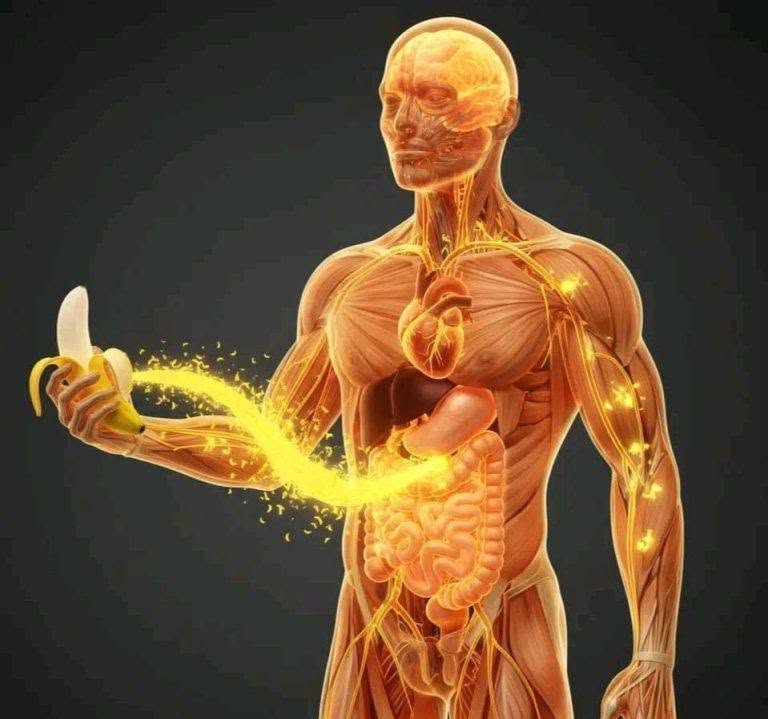
Eating Bananas in the Evening Increases Your Health: Benefits, Nutrition, and What You Should Know
Eating bananas in the evening is a simple habit that may offer several health benefits. Bananas are affordable, naturally sweet, and rich in important nutrients, including potassium, vitamin B6, fiber, and carbohydrates. Many people enjoy bananas as a quick snack after dinner or before going to bed. However, the effects of eating bananas in the evening depend on your overall diet, portion size, and individual health needs.
You may have heard that eating bananas at night increases energy, improves sleep, supports digestion, or helps your muscles recover. Some of these claims have scientific support, while others are exaggerated. Understanding what bananas actually do can help you decide whether they are a good addition to your evening routine.
1. Eating Bananas in the Evening May Increase Your Potassium Intake
One of the best-known nutritional benefits of bananas is their potassium content. Potassium is an essential mineral that helps your body maintain normal fluid balance, support muscle contractions, and transmit nerve signals.
A medium-sized banana provides approximately 420 milligrams of potassium, although the exact amount varies with size. Eating a banana in the evening can help you meet your daily potassium needs as part of a balanced diet.
Potassium also plays an important role in maintaining healthy blood pressure. Diets that include potassium-rich foods, such as bananas, beans, potatoes, leafy green vegetables, and yogurt, may support cardiovascular health.
However, eating a banana at a particular time of day does not automatically lower blood pressure. The overall quality of your diet and other lifestyle habits matter much more.
People with kidney disease or those who have been advised to limit potassium should ask their healthcare professional whether bananas are appropriate for them.
2. Bananas May Help Support Better Sleep
Another reason people eat bananas in the evening is their potential relationship with sleep. Bananas contain vitamin B6, which helps the body produce neurotransmitters involved in normal brain function.
They also contain small amounts of tryptophan, an amino acid used by the body to produce serotonin and melatonin-related compounds. These substances participate in regulating mood and the sleep-wake cycle.
Nevertheless, bananas are not a proven treatment for insomnia, and there is limited direct evidence that eating one before bed significantly improves sleep quality.
A banana may still be a useful evening snack if hunger makes it difficult for you to relax or fall asleep. It provides carbohydrates and can satisfy a sweet craving without requiring a heavy dessert.
For better sleep, try maintaining a consistent bedtime, reducing caffeine later in the day, limiting bright screens before bed, and avoiding large meals immediately before lying down.
3. Eating Bananas in the Evening May Support Digestion
Bananas provide dietary fiber, which is important for maintaining regular bowel movements and supporting digestive health.
A medium banana contains approximately three grams of fiber. This includes soluble fiber and other carbohydrates that contribute to normal bowel function.
Ripe bananas are generally soft and easy for many people to chew and digest. They can be a convenient snack for someone who wants a simple alternative to heavily processed sweets.
Less-ripe bananas contain more resistant starch, a carbohydrate that resists digestion in the small intestine and can be fermented by beneficial bacteria in the colon. This may support a healthy gut environment.
However, resistant starch and fiber can cause gas or bloating in some people, particularly when consumed in large amounts or when their digestive system is sensitive.
Eating a banana in the evening does not guarantee better digestion. Your total fiber intake, water consumption, physical activity, and overall eating habits are also important.
If you regularly experience abdominal swelling, persistent constipation, or significant digestive discomfort, consider discussing these symptoms with a healthcare professional.
4. Bananas Provide Energy for Evening Activities
Bananas contain natural carbohydrates, including glucose, fructose, and sucrose. Your body uses carbohydrates as an important source of energy.
Eating a banana in the evening may be helpful if you exercise after work, walk regularly, or feel hungry between dinner and bedtime.
Unlike many packaged snacks, bananas provide carbohydrates along with fiber, potassium, and vitamin B6. They can therefore be a convenient choice when you want something sweet without eating candy or other highly processed foods.
A banana may also be useful after an evening workout because carbohydrates help replenish the body’s stored energy.
For additional nutrition, combine a banana with plain yogurt, a small portion of nuts, or another protein-containing food. This combination provides more protein and may help you feel satisfied for longer.
Remember that bananas provide energy rather than acting as a special energy booster. Their benefits depend on your body’s needs and your overall eating pattern.
5. Bananas May Help Support Normal Muscle Function
Potassium is necessary for normal muscle contraction and nerve function. Bananas can contribute to your daily potassium intake and are often included in meals and snacks for physically active people.
If you exercise in the evening, a banana may provide useful carbohydrates before or after your workout. It can also be combined with a protein-rich snack to support recovery as part of a balanced diet.
However, bananas do not prevent every muscle cramp. Muscle cramps can have many causes, including muscle fatigue, exercise intensity, dehydration, certain medications, and medical conditions.
Eating a banana will not necessarily stop cramps immediately. Staying hydrated, gradually increasing exercise intensity, and eating a varied diet are more reliable general strategies.
6. Can Eating Bananas in the Evening Help With Weight Management?
Bananas can fit into a healthy weight-management plan because they provide fiber and natural sweetness.
A medium banana typically contains around 105 calories. For many people, this makes it a reasonable alternative to calorie-dense desserts, sugary biscuits, or large portions of ice cream.
Eating a banana in the evening does not automatically cause weight gain. Weight changes are influenced primarily by your overall calorie intake, energy expenditure, eating habits, sleep, and other individual factors.
Likewise, bananas do not directly burn body fat or speed up metabolism enough to produce significant weight loss on their own.
If you feel hungry after dinner, eating a banana may help satisfy that hunger. If you are already comfortably full, you do not need to eat one simply because it is considered healthy.
For a more filling snack, pair a banana with plain Greek yogurt or a small serving of unsalted nuts.
7. Bananas Contain Important Vitamins and Minerals
Bananas offer several nutrients that contribute to normal body functions.
Potassium: Helps maintain fluid balance, normal nerve signaling, and muscle function.
Vitamin B6: Supports protein metabolism, nervous system function, and the production of certain neurotransmitters.
Vitamin C: Contributes to normal immune function, collagen formation, and protection against oxidative stress.
Dietary fiber: Supports digestive health and helps maintain normal bowel movements.
Carbohydrates: Supply energy for daily activities and exercise.
Bananas also contain small amounts of magnesium and other nutrients. Their nutritional value makes them a useful part of a varied diet, but no single food can supply everything your body needs.
Eating bananas alongside vegetables, fruits, whole grains, protein sources, and healthy fats is a better approach than relying on one food for overall health.
8. Is It Safe to Eat a Banana Before Bed?
For most healthy adults, eating one medium banana in the evening is generally safe. There is no universal rule that bananas must be avoided after sunset.
The best time to eat a banana depends on your schedule, appetite, and digestion. You can eat one after dinner, as an evening snack, or at another time that suits you.
Some people experience heartburn or reflux when they eat close to bedtime. Although bananas are tolerated well by many people, individual responses differ. If eating a banana makes your symptoms worse, avoid it near bedtime.
People with diabetes can often include bananas in their diet, but portion size and carbohydrate intake matter. Pairing a banana with protein or healthy fats may help create a more balanced snack, although the effect on blood glucose varies between individuals.
If you monitor your blood sugar, pay attention to your personal response and follow your healthcare professional’s dietary advice.
People with advanced kidney disease or certain potassium-related medical restrictions should seek individualized guidance before regularly increasing their banana intake.
9. How to Eat Bananas in the Evening
There are several simple ways to enjoy bananas without adding excessive sugar.
Eat one plain banana. A medium banana is an easy option when you want a quick snack.
Combine banana with yogurt. Slice a banana into plain, unsweetened yogurt for a snack containing carbohydrates and protein.
Add banana to oatmeal. A small amount of sliced banana can add natural sweetness and fiber to an evening bowl of oatmeal.
Pair banana with nuts. A banana with a small serving of almonds or walnuts provides a combination of carbohydrates and fats.
Choose an appropriate portion. One medium banana is enough for many people. Your ideal portion depends on hunger, activity level, and individual nutritional needs.
Avoid assuming that adding honey, sugar, sweetened yogurt, or large amounts of nut butter automatically makes a banana snack healthier. These ingredients can increase its calorie or sugar content.
10. Common Myths About Eating Bananas at Night
Several claims about evening banana consumption are not supported by strong scientific evidence.
One common myth is that bananas eaten after sunset automatically turn into body fat. This is incorrect. Weight gain depends on the overall balance between energy consumed and energy used, not simply the time you eat a particular fruit.
Another claim is that bananas cure insomnia. Although they contain nutrients involved in normal nervous system function, there is insufficient evidence to conclude that eating a banana before bed treats sleep disorders.
Some people also believe bananas immediately eliminate muscle cramps. While potassium contributes to normal muscle function, cramps have multiple possible causes and may require a different approach.
Finally, bananas are sometimes promoted as a food that detoxifies the body overnight. Your liver and kidneys already perform essential processes that remove waste and regulate body chemistry. Bananas can contribute nutrients, but they do not provide a special overnight detoxification effect.
Conclusion
Eating bananas in the evening can be a healthy choice for many people. Bananas provide potassium, vitamin B6, carbohydrates, and dietary fiber that support normal muscle function, energy metabolism, and digestive health.
They may also be a convenient snack when you feel hungry after dinner or want to replace sugary desserts with fruit. However, claims that bananas guarantee better sleep, prevent all muscle cramps, burn fat, or cure health problems should be treated cautiously.
For most healthy adults, one medium banana is a reasonable evening snack. Choose a portion that fits your nutritional needs, consider your individual digestive response, and enjoy bananas as part of a balanced diet.
The most important point is that eating bananas in the evening is not inherently unhealthy. Your overall diet, lifestyle, and personal health conditions matter more than the exact time you eat them.

