
Man Who Never Drank or Smoked Still Developed Liver Cancer: A Step-by-Step Guide to Understanding the Risks of Insulated Tumblers
Introduction
Liver cancer is a serious disease that can affect people with different lifestyles, including individuals who have never consumed alcohol or smoked cigarettes. A person may follow a healthy diet, avoid harmful habits, and still develop liver cancer because several factors influence the health of the liver. These include chronic viral infections, inherited conditions, metabolic disorders, obesity, and long-term exposure to certain harmful substances.
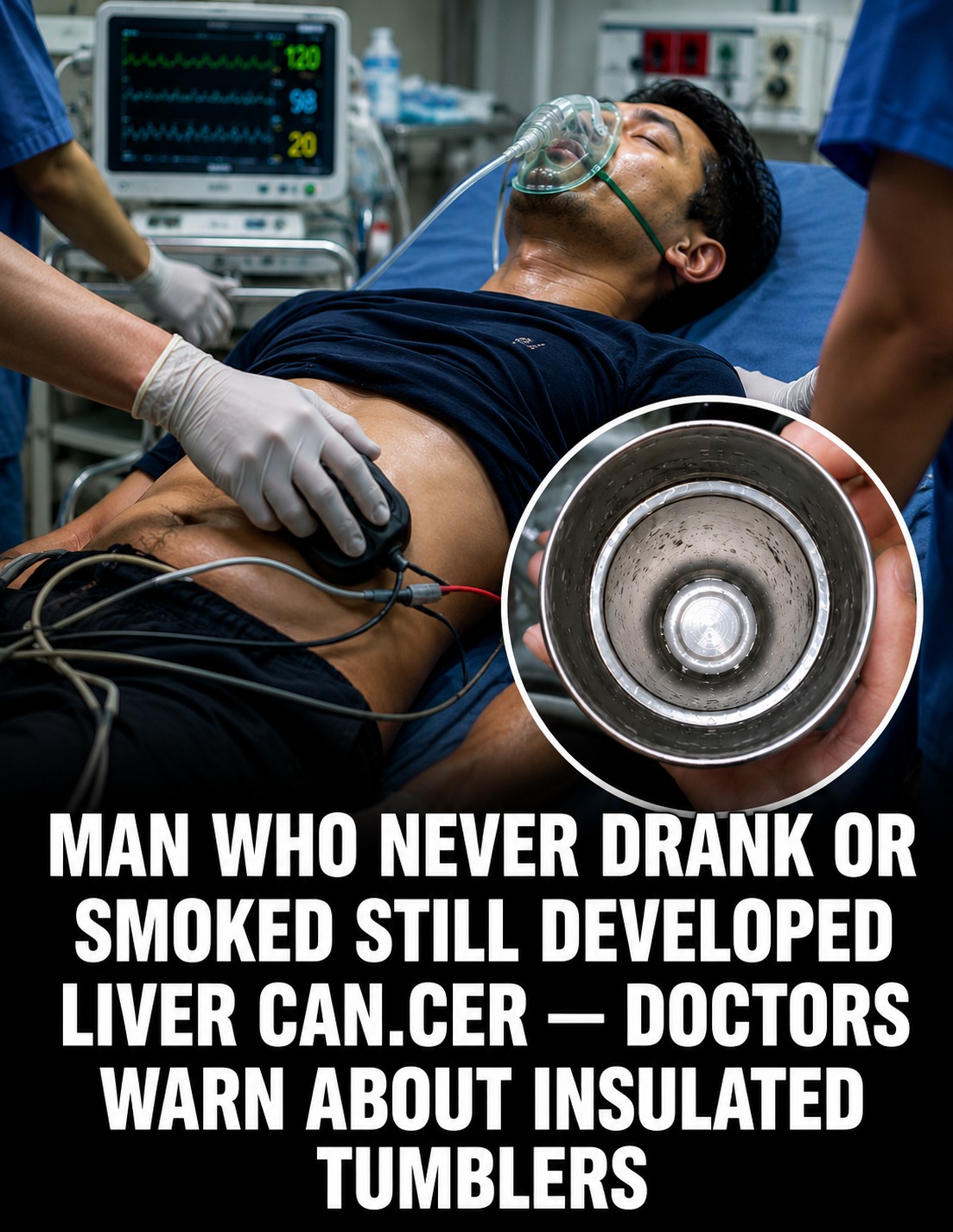
The image raises another question: could insulated tumblers, reusable cups, or stainless-steel drink containers be connected to liver cancer? This topic deserves careful examination because misleading health headlines can cause unnecessary fear. Although reusable tumblers may have potential safety concerns if they contain unsuitable materials or are poorly maintained, there is no established scientific evidence that ordinary use of insulated stainless-steel tumblers causes liver cancer.
Understanding the actual causes of liver cancer, recognizing warning signs, and taking sensible precautions are much more useful than assuming that one everyday product is responsible.
Step 1: Understand What Liver Cancer Is
Liver cancer develops when abnormal cells in the liver begin to grow uncontrollably. The liver is a vital organ located in the upper-right part of the abdomen, beneath the ribs. It performs several essential functions, including filtering substances from the blood, processing nutrients, producing bile, and helping the body metabolize medications.
The most common type of primary liver cancer in adults is hepatocellular carcinoma (HCC), which begins in the main cells of the liver. Another type, intrahepatic cholangiocarcinoma, develops in the small bile ducts within the liver.
Liver cancer can develop in people with cirrhosis, a condition in which healthy liver tissue is replaced by scar tissue. However, not every person with liver cancer has cirrhosis, and not every person with cirrhosis develops cancer.
This explains why a person’s lifestyle alone cannot determine whether they will develop the disease.
Step 2: Learn Why Liver Cancer Can Affect People Who Never Drink or Smoke
Alcohol consumption and smoking can increase the risk of several cancers, but they are not the only factors associated with liver cancer. Someone who avoids both may still have other risk factors.
Important examples include:
-
Hepatitis B: A viral infection that can cause chronic liver inflammation and increase liver cancer risk, sometimes even without established cirrhosis.
-
Hepatitis C: A viral infection that can cause long-term liver damage and cirrhosis.
-
Metabolic dysfunction-associated steatotic liver disease (MASLD): A condition involving excess fat in the liver, often associated with obesity, insulin resistance, or type 2 diabetes.
-
Cirrhosis: Advanced scarring of the liver caused by various conditions.
-
Inherited disorders: Certain genetic conditions, such as hereditary hemochromatosis, can damage the liver and increase cancer risk.
-
Aflatoxin exposure: Toxins produced by certain molds that may contaminate improperly stored crops, including peanuts, maize, and other grains.
-
Age and family history: These may also influence an individual’s overall risk.
Some people have no obvious risk factors when diagnosed. Therefore, the fact that a person never drank alcohol or smoked does not mean that liver cancer is impossible.
Step 3: Investigate the Claims About Insulated Tumblers
Insulated tumblers have become popular because they keep beverages hot or cold for extended periods. Many are made from stainless steel, while others contain plastic lids, silicone seals, painted surfaces, or insulated inner and outer walls.
The image suggests a possible connection between these containers and liver cancer. However, a headline or photograph is not scientific proof that such a connection exists.
To evaluate this claim, it is important to distinguish between three issues.
First, stainless steel itself. Food-grade stainless steel is widely used in food and beverage containers. Ordinary use of a properly manufactured, intact stainless-steel tumbler is not an established cause of liver cancer.
Second, the materials used in lids and coatings. Some containers contain plastics, paints, or other materials that may require specific safety testing. Their suitability depends on their composition, quality, and intended use. Damaged coatings, poorly manufactured products, or products not designed for hot beverages deserve caution.
Third, exposure to chemicals. Certain chemicals can harm human health under particular exposure conditions, and some are associated with cancer. However, identifying a potentially harmful chemical in a product does not automatically establish that normal use of that product causes cancer. The amount released, the route of exposure, and the duration of exposure all matter.
There is currently no established evidence that insulated tumblers, as a general product category, cause liver cancer. The image does not provide enough information to identify the man’s diagnosis or establish why he developed the disease.
Step 4: Understand How to Use Reusable Tumblers Safely
You do not necessarily need to stop using your reusable cup. Instead, follow these practical precautions.
-
Choose a reputable product. Purchase a tumbler from a manufacturer that provides clear material information and appropriate food-contact safety guidance.
-
Inspect the inside surface. Avoid using a container with severe corrosion, peeling coatings, cracks, or unexplained changes in its surface.
-
Clean the lid and seals. Remove detachable components when the manufacturer permits it, and wash areas where moisture and beverage residue can accumulate.
-
Follow temperature instructions. Use the container according to its intended purpose, especially when handling hot liquids.
-
Avoid unverified products. Be cautious about products with unclear material specifications or unsupported claims about their safety.
-
Replace damaged components. If a lid, seal, or inner lining deteriorates, follow the manufacturer’s replacement or disposal guidance.
These measures support hygiene and sensible product safety. They should not be presented as proven ways to prevent liver cancer, because the ordinary use of a tumbler has not been established as a cause of the disease.
Step 5: Recognize the Warning Signs of Liver Cancer
Liver cancer can develop without noticeable symptoms during its early stages. When symptoms appear, they may resemble those of other medical conditions. According to the US Centers for Disease Control and Prevention, possible warning signs include several changes that deserve medical attention.
Common symptoms include:
-
Persistent discomfort or pain in the upper-right abdomen.
-
Swelling or unusual enlargement of the abdomen.
-
Yellowing of the skin or the whites of the eyes, known as jaundice.
-
Unexplained weight loss.
-
Reduced appetite or feeling full quickly.
-
Persistent tiredness or weakness.
-
Nausea or vomiting.
-
Easy bruising or unusual bleeding.
-
A lump beneath the right side of the rib cage.
Having one or more of these symptoms does not necessarily mean someone has cancer. Many other conditions can produce similar symptoms. Nevertheless, persistent symptoms should be evaluated by a healthcare professional.
Seek urgent medical attention for severe abdominal pain, confusion, vomiting blood, or significant bleeding. Yellowing of the eyes or skin also warrants prompt medical assessment.
Step 6: Take Practical Steps to Protect Liver Health
Although no prevention strategy can eliminate every cancer risk, several measures can reduce the likelihood of developing liver disease.
Get tested for hepatitis. Hepatitis B and hepatitis C can cause long-term liver damage without obvious symptoms. Ask a healthcare professional which tests are appropriate for you, particularly if you have never been screened or have relevant risk factors.
Consider hepatitis B vaccination. Vaccination is an important way to prevent hepatitis B infection and its potential long-term complications. Ask your healthcare provider whether you are fully vaccinated.
Maintain a healthy weight. Excess body fat and insulin resistance can contribute to fatty liver disease. A balanced diet and regular physical activity support metabolic and liver health.
Eat safely stored food. Discard moldy or visibly spoiled grains, nuts, and other foods. Certain molds produce aflatoxins, which are associated with liver cancer risk.
Avoid unnecessary supplements. Some herbal products, bodybuilding supplements, and medications can damage the liver. Consult a healthcare professional before taking unfamiliar products, especially if you already have liver disease.
Avoid smoking and limit alcohol exposure. Not smoking and avoiding alcohol are sensible health measures, particularly for people at increased risk of liver disease.
Step 7: Speak to a Doctor About Screening and Diagnosis
If you are worried about liver cancer, a medical professional can assess your symptoms, medical history, and risk factors. Depending on the situation, evaluation may involve blood tests, liver imaging, and other investigations.
People with chronic hepatitis B, cirrhosis, or other significant risk factors may need regular liver cancer surveillance. The appropriate schedule depends on their individual circumstances and clinical guidelines.
Routine liver cancer screening is not automatically necessary for every healthy person. A doctor can determine whether surveillance is appropriate based on your risk profile.
Do not rely on online photographs, social media posts, or home remedies to diagnose or rule out cancer. Early medical evaluation is more reliable than trying to identify a cause from a viral headline.
Conclusion
The story of a man who never drank alcohol or smoked but developed liver cancer highlights an important medical fact: cancer can occur even in people who avoid well-known risk factors. Chronic hepatitis infections, cirrhosis, metabolic conditions, inherited disorders, and other exposures can all contribute to liver cancer risk.
However, the image’s warning about insulated tumblers should not be treated as proven medical fact. There is no established scientific evidence that normal use of ordinary insulated stainless-steel tumblers causes liver cancer. A specific product can be assessed only with reliable information about its materials, safety testing, and actual exposure risks.
The most useful approach is to choose food-safe products, maintain good hygiene, protect yourself against hepatitis, maintain a healthy lifestyle, and seek medical advice when symptoms or risk factors warrant it.
Ultimately, understanding evidence-based risk factors is far more valuable than fearing an everyday product based on an alarming headline.

