
Shingles: What to Know About the Painful Blistering Rash and Why Fast Treatment Matters
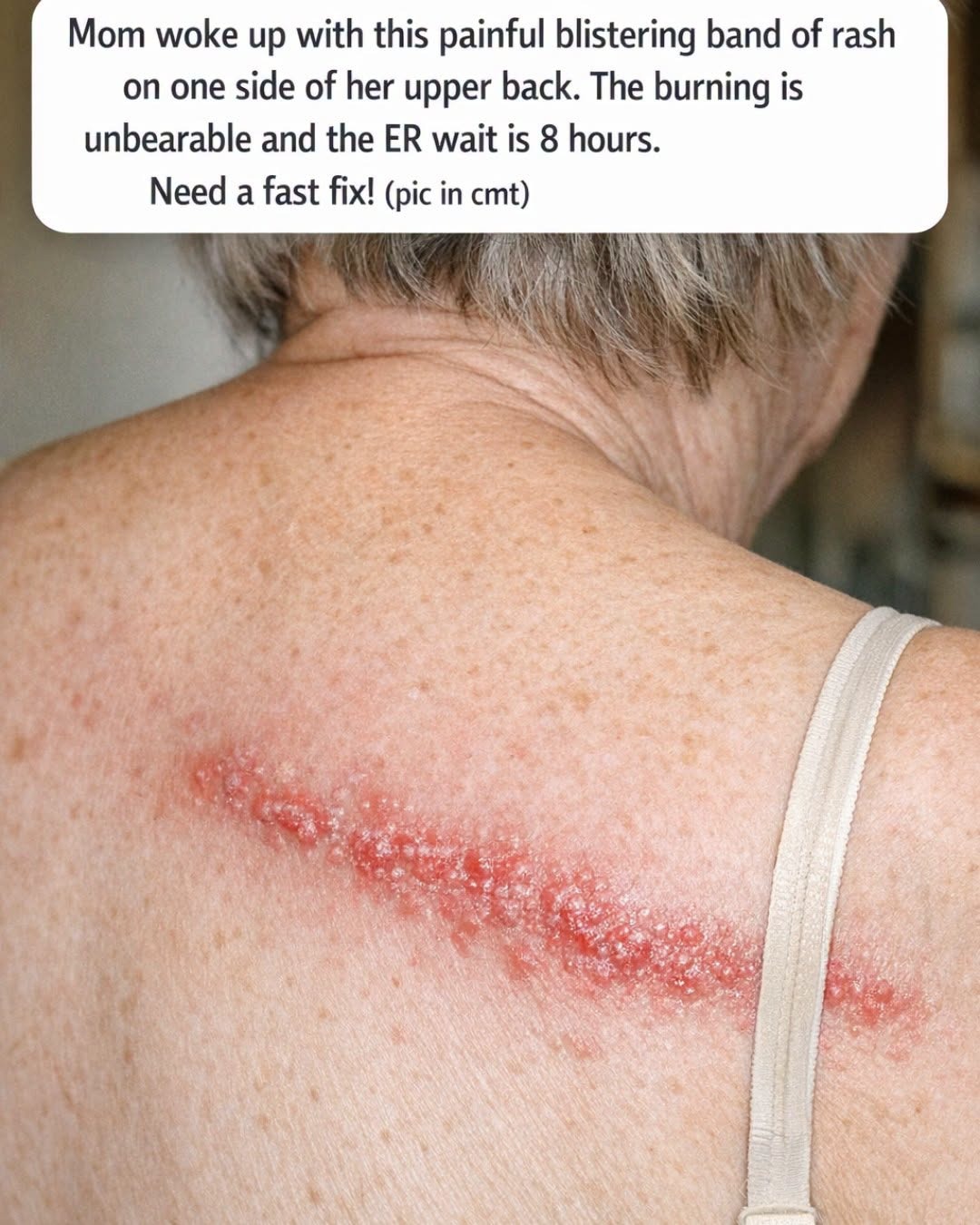
A sudden, painful, burning rash that appears in a band on only one side of the back or body can be alarming. When the rash contains clusters of small, fluid-filled blisters and the pain feels like burning, stabbing, or extreme sensitivity, one possible cause is shingles, also known as herpes zoster. The photograph shown above has the typical appearance of a shingles rash, although an image alone cannot confirm a diagnosis. Other skin conditions can sometimes look similar, so anyone with a new painful blistering rash should be evaluated by a healthcare professional.
Shingles is caused by the varicella-zoster virus, the same virus responsible for chickenpox. After a person has chickenpox, the virus does not completely leave the body. Instead, it remains inactive in nerve tissue. Years or even decades later, it can become active again and travel along a nerve toward the skin, producing the characteristic painful rash.
What Does Shingles Look and Feel Like?
One of the most recognizable features of shingles is that the rash usually develops on one side of the body. It often follows the path of a particular nerve and may look like a narrow stripe or band across the chest, abdomen, back, or waist. It can also occur on one side of the face.
Before the rash becomes obvious, a person may experience burning, tingling, itching, unusual sensitivity, or shooting pain in one particular area. These sensations can begin several days before the blisters appear. Some people also experience headache, fever, chills, or an upset stomach.
As the condition progresses, a red rash develops and small fluid-filled blisters appear. New blisters may continue forming for several days before the area begins to dry and crust. The rash commonly heals within about two to four weeks, although the pain can sometimes continue much longer.
The pain can be surprisingly severe. Even light clothing, bedding, or gentle contact with the skin may feel uncomfortable. This happens because shingles affects nerves as well as the skin.
Why Does Shingles Happen?
Anyone who has previously had chickenpox can potentially develop shingles. The risk generally increases with age, particularly among older adults. A weakened immune system can also increase the likelihood of developing shingles or experiencing complications.
The exact reason the dormant virus becomes active again is not always clear. Aging can affect the immune system, and certain illnesses or treatments that weaken immune defenses can also increase risk.
Having shingles does not mean someone recently caught chickenpox. Instead, it usually represents a reactivation of the virus that was already present in the body.
Why Early Medical Treatment Is Important
If a painful, blistering rash appears and shingles is suspected, it is important not to simply wait several days to see what happens. Antiviral medicines are available for shingles, including acyclovir, valacyclovir, and famciclovir. These medications can shorten the illness, reduce the development of new lesions, and decrease the severity of acute pain. Treatment works best when started early, particularly within about 72 hours of symptom onset.
For this reason, a person who suddenly develops a one-sided burning or blistering rash should contact a doctor or other qualified healthcare professional as soon as possible.
There is no safe universal “fast fix” that can replace medical evaluation. The appropriate treatment depends on the person’s age, medical history, medications, immune status, location of the rash, and severity of symptoms.
When Shingles Needs Urgent Attention
Shingles on the face requires particular attention. If blisters appear around the eye, forehead, or nose, prompt medical assessment is important because the infection can involve the eye and potentially cause serious complications, including vision loss.
Medical attention is also especially important for people with weakened immune systems, because they can experience more severe or widespread disease.
A rash accompanied by severe illness, confusion, breathing difficulties, significant weakness, or other concerning symptoms should not be managed at home without professional assessment.
How to Make the Skin More Comfortable
While waiting for medical advice or during recovery, several measures may help reduce discomfort. Keeping the affected skin clean and avoiding scratching can reduce the chance of bacterial infection. Loose-fitting clothing can also prevent unnecessary rubbing against sensitive skin.
Cool, wet compresses may provide temporary relief. The National Institute on Aging also lists oatmeal baths and calamine lotion among measures that may soothe itching and discomfort.
Pain-relieving medicines may also be used in some people, but the appropriate medication and dose depend on the individual’s age, health conditions, and other medicines. A doctor or pharmacist can help determine what is appropriate.
It is important to avoid applying random household remedies, harsh chemicals, or irritating substances to open blisters. Blisters should not be deliberately popped or scratched.
Can Shingles Spread to Other People?
A person cannot give someone else “shingles” through ordinary contact. However, fluid from active shingles blisters can transmit the varicella-zoster virus to someone who has never had chickenpox or has not been vaccinated against chickenpox. That person could develop chickenpox, not shingles, from the exposure.
Until the rash has crusted over, people with shingles should take precautions. Keep the rash covered when practical, avoid touching or scratching it, and wash your hands frequently. Extra care should be taken around pregnant people who have not had chickenpox or the chickenpox vaccine, newborn or premature infants, and people with weakened immune systems.
A Possible Long-Term Problem: Nerve Pain
Most people recover from shingles, but some develop persistent nerve pain known as postherpetic neuralgia, or PHN. This pain occurs in the same area where the shingles rash appeared and can continue after the skin has healed.
According to the CDC, PHN is the most common complication of shingles and occurs in approximately 10% to 18% of people who develop shingles. The risk increases with age.
This is another reason why early medical evaluation is important. Severe or persistent pain after the rash disappears should be discussed with a healthcare professional because treatments are available to help manage nerve pain.
Can Shingles Be Prevented?
Vaccination is an important way to reduce the risk of shingles and its complications. The shingles vaccine used in the United States, Shingrix, is more than 90% effective at preventing shingles and is recommended for most adults age 50 and older.
Vaccination recommendations can vary according to age, health status, previous vaccination, and country. People should speak with a doctor or pharmacist about whether shingles vaccination is appropriate for them.
Final Thoughts
A painful band of red, blistering skin on one side of the back can be a classic warning sign of shingles, especially when it is accompanied by burning, tingling, or shooting nerve pain. However, photographs cannot provide a definite diagnosis.
The most important message is not to ignore a new painful blistering rash. Shingles can respond well to antiviral treatment, particularly when treatment begins early. Prompt medical evaluation is especially important when the rash is on the face or near the eye, when pain is severe, or when the affected person has a weakened immune system.
With appropriate medical care, most people recover from shingles, although some may experience prolonged nerve pain. Prevention through recommended vaccination can also substantially reduce the risk.
Medical disclaimer: This article is for general educational information and does not diagnose the person shown in the photograph or replace advice from a qualified healthcare professional.

