
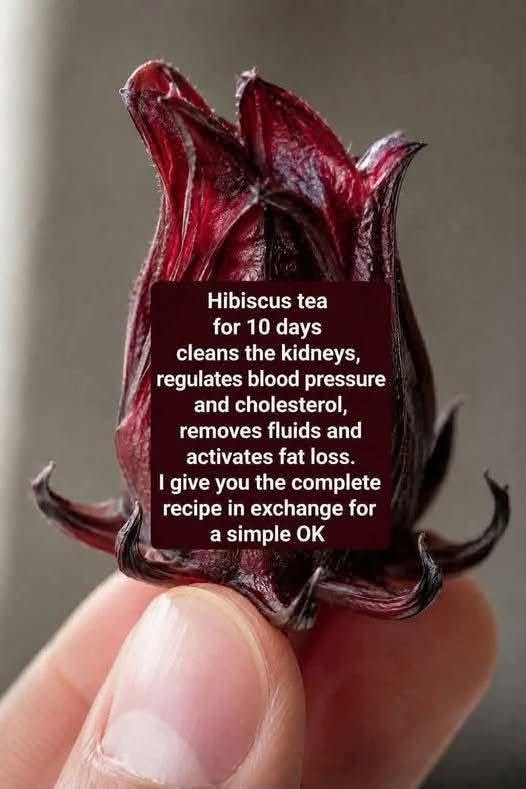
Hibiscus Tea: Benefits, How to Make It, and What to Know Before Drinking It
Hibiscus tea is a refreshing herbal drink made from the dried calyces of the hibiscus plant. It has a beautiful deep red color, a naturally tart flavor, and can be enjoyed either hot or cold. In many cultures, hibiscus tea has been used as a traditional beverage for generations.
Recently, hibiscus tea has become popular among people interested in natural wellness, hydration, blood pressure support, and healthy eating. Some social media posts make strong claims that drinking hibiscus tea for 10 days can “clean the kidneys,” remove excess fluid, regulate cholesterol, and activate rapid fat loss. While hibiscus tea can be part of a healthy lifestyle, these claims should be understood carefully. No single tea can cleanse the kidneys or guarantee weight loss in a specific number of days.
Hibiscus tea may contain plant compounds called anthocyanins and other antioxidants. Research has investigated hibiscus preparations for possible effects on blood pressure and other aspects of cardiovascular health. However, results can vary depending on the amount consumed, the preparation used, and the individual.
What Is Hibiscus Tea?
Hibiscus tea is usually prepared from dried hibiscus flowers or calyces. The dried plant material is steeped in hot water, producing a bright red or burgundy-colored beverage with a flavor similar to cranberry.
Hibiscus tea is naturally caffeine-free unless it is blended with another caffeinated tea. This makes it an option for people who want a flavorful drink without the caffeine found in black or green tea.
Because hibiscus has a naturally sour taste, many people drink it without sugar. Avoiding added sugar can make it a better choice than sweetened soft drinks, flavored beverages, or sugary juices.
Potential Benefits of Hibiscus Tea
One of the most studied potential benefits of hibiscus is its relationship with blood pressure. Some studies have found that hibiscus preparations may help modestly lower blood pressure in certain adults with elevated blood pressure. However, hibiscus tea should not be considered a replacement for prescribed blood-pressure medication or medical care.
Hibiscus also contains antioxidant compounds. Antioxidants help protect cells from oxidative stress, which is a normal biological process that can increase under certain conditions. Including a variety of fruits, vegetables, herbs, and other plant foods in the diet is generally a better approach than relying on one particular drink.
Another advantage is hydration. Unsweetened hibiscus tea contributes to daily fluid intake. Staying properly hydrated supports normal body functions, although the kidneys themselves already perform the important job of filtering waste and balancing fluids in the body.
Hibiscus tea may also be useful for people trying to reduce sugary drinks. Replacing high-calorie beverages with unsweetened herbal tea can reduce overall calorie intake, which may support weight management over time.
Can Hibiscus Tea Clean the Kidneys?
The idea that hibiscus tea “cleans” or “detoxes” the kidneys is a popular wellness claim, but it is misleading.
Your kidneys naturally filter waste products and excess substances from your blood. Healthy kidneys do not need a special tea to be “cleansed.” Drinking adequate fluids supports normal kidney function, but excessive amounts of any beverage are not necessarily beneficial.
People with kidney disease, kidney stones, reduced kidney function, or other kidney-related conditions should discuss herbal products with a healthcare professional before using them regularly. The appropriate amount of fluid and certain nutrients can vary considerably between individuals.
Does Hibiscus Tea Remove Excess Fluid?
Hibiscus tea is sometimes described as a natural diuretic because some research and traditional use suggest it may influence urine production. However, drinking hibiscus tea should not be viewed as a treatment for unexplained swelling or fluid retention.
Swelling can have many causes, including diet, medications, circulation problems, heart or kidney conditions, and other medical issues. If swelling is persistent, severe, occurs suddenly, or is associated with shortness of breath or chest discomfort, medical evaluation is important.
Temporary changes in body weight from losing water are also different from losing body fat.
Can Hibiscus Tea Cause Fat Loss?
Hibiscus tea does not “activate” fat loss in the sense of automatically burning body fat. There is limited evidence regarding hibiscus and body-weight management, and drinking the tea alone should not be expected to produce significant fat loss in 10 days.
A more realistic approach is to use unsweetened hibiscus tea as part of a balanced diet. Weight management generally depends on overall calorie intake, food choices, physical activity, sleep, and other lifestyle factors.
Replacing sugary beverages with unsweetened hibiscus tea can be useful because it may reduce unnecessary calories without requiring a major change to meals.
Hibiscus Tea and Cholesterol
Hibiscus has also been studied for possible effects on blood lipids, including cholesterol. Some research suggests potential benefits, but the evidence is not strong enough to say that hibiscus tea will reliably normalize cholesterol levels.
If you have high cholesterol, dietary changes, physical activity, weight management, and medications when prescribed are important components of treatment. Hibiscus tea can be enjoyed as a beverage, but it should not replace treatment recommended by a healthcare professional.
How to Make Hibiscus Tea
Making hibiscus tea at home is simple.
Place about 1 to 2 teaspoons of dried hibiscus calyces in a cup or teapot. Add approximately 250 milliliters of hot water and allow it to steep for around 5 to 10 minutes. Strain the liquid and let it cool slightly before drinking.
For a refreshing cold version, prepare the tea, allow it to cool, and refrigerate it. Serve over ice with lemon or a few fresh mint leaves if desired.
If you prefer a sweeter drink, use a small amount of sweetener. However, if your goal is to reduce calories or added sugar, unsweetened hibiscus tea is the simplest option.
How Often Can You Drink It?
There is no universal rule that everyone must drink hibiscus tea for exactly 10 days. A moderate serving can be included in a healthy diet, but more is not necessarily better.
People who take medications for high blood pressure or blood sugar should be particularly cautious because hibiscus may potentially affect these measurements. Anyone taking regular medication should discuss frequent use of herbal products with a doctor or pharmacist.
Pregnant or breastfeeding individuals should also consult a healthcare professional before regularly consuming concentrated herbal preparations.
Final Thoughts
Hibiscus tea is a flavorful, caffeine-free beverage that can be a healthy addition to many people’s diets. It provides plant compounds with antioxidant activity and has been studied for possible effects on blood pressure and other cardiovascular risk factors.
However, claims that hibiscus tea can completely cleanse the kidneys, remove all excess fluid, dramatically lower cholesterol, or automatically burn body fat within 10 days are stronger than the available evidence supports.
The healthiest way to enjoy hibiscus tea is to treat it as one small part of an overall healthy lifestyle. Choose unsweetened tea when possible, eat a varied diet rich in whole foods, stay appropriately hydrated, remain physically active, and follow medical advice for conditions such as high blood pressure, high cholesterol, kidney disease, or diabetes.
A cup of hibiscus tea can be refreshing and enjoyable, but there is no need to rely on a “10-day detox” promise. Long-term healthy habits are far more important than any single drink.

